Category: Blog

  • Family Martial Arts Safety Tips

    Family Martial Arts Safety Tips

    Martial arts keeps gaining fans among families and kids who want fitness, focus, and skills that last a lifetime. With classes popping up in every neighborhood, more children are joining dojos every year. But as more families step onto the mats, safety matters more than ever. Every kick, throw, and sparring session comes with the risk of bruises, sprains, or worse.

    Parents want their kids to have fun and build confidence without facing unnecessary injuries. Simple steps and smart habits help prevent most common accidents, from bumps to broken bones. When families make safety a priority, everyone enjoys the benefits of training together while staying protected.

    Understanding Common Martial Arts Injuries

    Martial arts are awesome for building strength, focus, and confidence. But every kick, throw, and grip comes with a risk. Knowing the common injuries by style and what puts kids at risk helps families keep their training fun, safe, and low-stress.

    Injury Patterns in Striking vs. Grappling Disciplines

    Striking and grappling arts create different risks and injury profiles for athletes. Striking arts like karate, taekwondo, and boxing result in frequent injuries to the head, face, and hands. Recent studies show that in these sports, up to 70% of injuries involve the head and face. That means facial cuts, bruises, nose injuries, and, at times, concussions are common. Punches, kicks, and blocking strikes can also hurt the knuckles or wrists.

    • Striking Injuries:
      • Facial lacerations and bruises (up to 70% in some sports)
      • Hand fractures
      • Concussions (about 8–21% injury incidence in MMA and related striking sports)
      • Nose and jaw injuries

    Grappling disciplines like judo, Brazilian jiu-jitsu (BJJ), and wrestling focus on takedowns and holds. These styles often lead to joint sprains, shoulder injuries, and knee strains. A 2023 review shows that up to 27% of BJJ injuries hit the knee, often during takedowns or tough holds. Shoulder injuries, finger jams, and even dislocations are common in grappling.

    • Grappling Injuries:
      • Knee injuries (meniscus, ACL, or general sprains)
      • Shoulder strains and dislocations
      • Finger jams and hand sprains
      • Neck and back strains

    So, while a karate kid might need to watch their nose, a young wrestler should protect their knees and shoulders.

    The Most At-Risk Body Parts in Youth Martial Arts

    Kids learn quickly in martial arts, but their growing bodies are more vulnerable than adults. The same moves that build agility and strength can also strain still-developing bones, joints, and soft tissue. The most frequent injury sites for young martial artists are:

    • Head: At risk in striking sports, with bumps, bruises, and possible concussions.
    • Knees: Targeted in grappling and during fast kicks or takedowns, sometimes leading to sprains or strains.
    • Ankles: Commonly rolled in both striking and grappling due to quick footwork and unexpected landings.
    • Hands and Wrists: Hurt through punching or bracing falls, especially if fists aren’t properly wrapped or protected.

    A man tapes a woman's ankle in a modern gym setting, focusing on preparation and support. Photo by Annushka Ahuja

    Parents and coaches can help lower the risk by:

    • Making sure kids wear mouthguards, headgear, and proper pads.
    • Teaching safe falling and rolling, so wrists and ankles are protected.
    • Focusing on warm-ups that build leg and core strength.
    • Never skipping cool-downs or stretching after class.
    • Regularly checking gear for wear and tight fit.

    Warning Signs of Serious Injury

    Most martial arts injuries are minor and heal quickly. Still, sometimes a bump or twist is more than “just a bruise.” Knowing warning signs of serious injury can make all the difference:

    • Concussion: The child is dizzy, confused, nauseous, has a headache that won’t go away, seems “off,” or forgets what happened. Vomiting or passing out are emergency signs.
    • Joint Sprain or Fracture: Swelling, intense pain, visible deformity, or a limb that can’t bear weight or move normally.
    • Head or Neck Injury: Ongoing headache, neck pain, vision changes, slurred speech, or any loss of consciousness.
    • Persistent Swelling or Numbness: If a joint or limb stays swollen or starts to feel tingly or numb, it’s time to see a doctor.

    Take any “pop” or “crack” with pain seriously. Kids might downplay discomfort to keep training, but these risks need immediate attention. When in doubt, stop training and get a medical opinion before returning to the mats.

    Building martial arts skills should always go hand-in-hand with safe habits. Injury awareness and response are the backbone of a safe, positive experience for every family.

    Best Practices for Safe Martial Arts Training at Home and in Class

    Minimizing injuries and avoiding illness are just as important as learning the right technique. Great martial artists, no matter their style or experience, follow basic habits before, during, and after every training session. Whether you’re kicking and rolling on padded mats or shadowboxing in your living room, these best practices keep everyone safer, stronger, and more confident.

    The Importance of Proper Warm-Up and Cool-Down

    Warming up is the secret weapon for injury prevention and better performance. A smart routine helps muscles and joints get ready while reducing the chance of tears, strains, or sore spots. Cool-downs, on the other hand, relax your body, flush out lactic acid, and make it easier to recover for your next session.

    Effective Warm-Up Routines Include:

    • Dynamic stretching (like arm circles, leg swings, and hip rotations)
    • Light cardio (jogging or jumping jacks for 5–10 minutes)
    • Sport-specific drills (shadowboxing, partner drills, focus mitt work, break falls)

    For younger kids, keep it fun:

    • Animal walks (bear crawls, frog jumps)
    • Balance games and running in place
    • Simple relay races or movement drills

    Adults and older teens can add more intensity with:

    • Solo drills (sprawling, tumbling, or technical stand-ups)
    • Controlled partner drills
    • Core activation exercises

    For cooling down, always take a few minutes after training:

    • Gentle stretching: Hold easy stretches for 15–30 seconds, targeting legs, back, arms, and neck.
    • Light movement: Slow jogging or walking to gradually lower your heart rate.
    • Deep breathing: Helps bring the body and mind to a restful state.

    Building these routines into every class and home workout will help prevent most injuries. Skipping warm-ups or cool-downs is a shortcut to setbacks.

    Using Protective Gear for Injury Prevention

    Close-up of a child wearing red protective martial arts headgear, focusing on training and safety. Photo by cottonbro studio

    Protective equipment is never optional, whether sparring, drilling, or practicing new moves. Quality gear keeps bumps, bruises, and broken bones to a minimum.

    Essential Protective Gear:

    • Headgear: Absorbs impact, especially crucial for kids.
    • Mouthguards: Protect teeth and reduce the risk of concussion—custom-molded or boil-and-bite types work best.
    • Chest/torso protectors: Shield ribs and internal organs from hard strikes.
    • Shin guards: Prevent painful bruises on legs during kicking drills.
    • Gloves: Provide padding for hands and wrists, reducing fractures and skin tears.
    • Groin protectors: Especially important for boys and men in both striking and grappling sports.
    • Foot pads: Cushion kicks and protect toes.

    Tips for Fit and Maintenance:

    • Make sure all gear fits snug, but isn’t too tight or loose. If it slides around, it won’t protect you.
    • Try on different brands and sizes—gear sizing can vary.
    • Clean after every use with mild soap and water. Let items dry thoroughly to stop bacteria and bad smells.
    • Check for cracks, loose stitching, or worn padding. Replace gear once it loses its shape or protection.
    • Store equipment in a cool, dry place away from direct sunlight.

    No gear lasts forever, and worn-out items can do more harm than good. Invest in high-quality safety gear and treat it with care so it protects every time.

    Hygiene and Environment: Preventing Illness and Skin Injuries

    A clean environment isn’t just good manners—it’s your first line of defense against nasty skin conditions or illnesses that can sideline your training for weeks.

    Key Hygiene Practices:

    • Shower before and after class: Removes sweat and reduces bacteria.
    • Wear clean clothes and gear: Wash gis, rash guards, and anything sweaty after every use.
    • Trim nails and cover open wounds: This helps stop scrapes from becoming infected or spreading skin problems like ringworm or staph.

    Mat and Gear Cleaning:

    • Mats should be disinfected every day with a safe cleaning solution. At home, wipe down your training area before and after workouts.
    • Pads and mitts should be cleaned after each session—never let them sit damp in a bag.
    • Don’t train if you have a visible skin infection, rash, or fever.

    Safe Training Spaces:

    • Shoes off on the mats—no exceptions. Outdoor shoes bring in germs from outside.
    • Make sure the floor is clear of tripping hazards and debris.
    • Cover any cuts or scrapes with medical-grade bandages before training.

    Parents and students can work together to create a “no shoes, no germs, no excuses” rule both at gyms and at home. Staying clean isn’t complicated, but it makes a powerful difference for every family’s safety.

    Choosing a Safe and Qualified Martial Arts School

    Finding the right martial arts school makes all the difference for family safety. It’s easy to get caught up in flashy moves or shiny gear, but real safety starts long before the first class. Parents should look past the belt colors and ask: Is my child being taught by someone who puts safety first? Does the facility support safe learning at every age and level? Trust and peace of mind grow from what’s behind the door, not just on the mat.

    Instructor Credentials and Safety Training

    Choosing a school with well-trained instructors is the first step to safety. Not all schools hold staff to high standards, so always ask about:

    • Recognized Martial Arts Certifications: Instructors should have current ranks or teaching credentials from respected organizations, not just a black belt.
    • Ongoing Education: The best teachers never stop learning. Look for schools where instructors train regularly, attend seminars, and stay up-to-date with the latest safety info and teaching techniques.
    • Background Checks: Any instructor working with kids should pass regular background checks. Ask the school directly about their vetting process.
    • First Aid and CPR Certification: Emergencies can happen. Every instructor should have valid first aid and CPR training, and the school should have a first aid kit on-site.

    A good instructor will share their education, certificates, and safety philosophy with pride. Transparency isn’t an extra, it’s a promise to families.

    Ensuring a Safe Facility and Structured Curriculum

    A fencer in full gear preparing for practice indoors with atmospheric lighting. Photo by Artem Podrez

    The best martial arts schools put big energy into keeping their space clean, safe, and organized. When you visit, take a close look at:

    • Facility Safety Features:
      • Clean, padded mats without tears or holes
      • Clear walking space with no clutter or tripping hazards
      • Working emergency exits and fire extinguishers
      • Accessible first aid supplies
      • Safety equipment (pads, shields, helmets) for student use
    • Well-Maintained Equipment: All gear and mats should be in good shape. Quality mats make a big difference in preventing falls and sprains.
    • Structured, Age-Appropriate Curriculum: Kids aren’t just “little adults.” Training plans should fit each age group with:
      • Beginner classes focusing on basics, listening, and safe movement
      • Clear progressions so nobody is pushed too quickly
      • Regular assessments and feedback
      • Special classes for kids, teens, and adults, with options for different experience levels

    A school that cares about safety will have written rules, clear skill levels, and instructors who adjust lessons to the student.

    Red Flags Parents Should Watch Out For

    Not every dojo or gym puts your child’s well-being before business or ego. Watch for these warning signs:

    • Lack of Supervision: Too many kids for one instructor, or chaotic classes where nobody is watching closely.
    • Harsh or Excessive Discipline: Instructors yelling, shaming, or using punishment drills that could embarrass or injure a child.
    • No Visible Safety Protocols: There should be rules posted about behavior, technique, and use of protective equipment. If safety feels like an afterthought, trust your gut.
    • Dirty, Damaged, or Crowded Facilities: Worn-out mats, broken gear, or cramped classes mean more risk for everyone.
    • Push for Early or Unsafe Sparring: Kids put into full-contact drills or competitions long before they are ready.
    • Instructors Unwilling to Answer Questions: If staff can’t or won’t share their qualifications, insurance, or safety plan, consider finding another school.
    • Overly Competitive Atmosphere: If every conversation starts and ends with winning, trophies, or beating others, students may miss out on the values martial arts should teach: respect, self-control, and steady progress.
    • No Emergency Preparedness: Ask how the school handles injuries or sudden illness. There should be clear plans, contacts, and supplies in every class.

    Pick a school that’s proud of its safety culture. Your family will feel welcome, protected, and ready to learn for years to come.

    Family Roles in Supporting Martial Arts Safety

    When families get involved in a child’s martial arts journey, safety is never just the coach’s job. It becomes a team effort. Parents and siblings can make a big difference, whether by watching for stress, building a great relationship with instructors, or modeling the attitude they want to see both on and off the mat. Here’s how families play a crucial role in making martial arts safe and enjoyable for everyone.

    Open Communication with Coaches and Instructors

    Optimistic Asian mother in face mask putting respirators on smiling son and daughter while spending time together in rural house against shabby wall Photo by Ketut Subiyanto

    Strong family-coach relationships set the tone for safe training. Parents who take time to introduce themselves to instructors and stay in the loop help create trust from the start.

    • Ask questions about safety protocols at orientation or after class. This can include what happens if a child is injured, how often gear is checked, or procedures for reporting concerns.
    • Share important health info (such as allergies or old injuries) so instructors can keep an extra eye on your child.
    • Report injuries or emotional issues early. Coaches aren’t mind readers. If your child seems worn down or something feels “off”, mention it right away.
    • Respect coach expertise, but don’t hesitate to speak up if you notice unsafe drills or supervision gaps.
    • Check for digital updates. Many gyms now use messaging apps or progress trackers; sign up for updates so you never miss key info.

    When parents and coaches talk openly, it avoids misunderstandings before they happen. It also reassures kids—they know the adults around them are working together to keep them safe.

    Monitoring Children’s Physical and Emotional Well-being

    Kids love martial arts, and sometimes they push themselves harder than their bodies can handle. Family members are often the first to notice if something’s not right.

    Watch for early warning signs, including:

    • Physical burnout: Complaints about constant aches, limping, reluctance to attend class, or lingering soreness.
    • Emotional stress: Sudden mood changes, anxiety about training, or not wanting to talk about class.
    • Signs of bullying: Mentioning rough or unfair treatment by others, or acting withdrawn after class.

    To support your child’s overall health:

    • Make sure your child gets enough rest between sessions. Young bodies need downtime to recover and grow.
    • Encourage an open space to talk about how they feel physically and mentally after each class.
    • Remind them that it’s okay to speak up if they feel pain or worry.
    • Watch for patterns of overtraining, especially before tournaments or belt tests.
    • Support mental health just as much as physical safety. If your child is anxious or down, talk to the instructor or seek additional help.

    Caring for mind and body together makes martial arts training sustainable—and more fun in the long run.

    Modeling Safe Behavior and Attitudes

    Kids often copy what they see. When family members set the right example, it makes safety second nature.

    Parents and older siblings can model good habits by:

    • Always wearing and caring for the proper gear.
    • Respecting class rules about contact, sparring, and language.
    • Practicing good etiquette before, during, and after class (bowing, thank-yous, helping others).
    • Holding back in friendly sparring—instead of “winning,” focus on technique, safety, and learning.
    • Talking about mistakes or injuries openly, focusing on learning rather than blame.
    • Valuing respectful disagreement—if you disagree with a rule or call, address it calmly and privately, not in front of children or their teammates.

    When families bring a calm, respectful, and safety-focused attitude into training and at home, kids pick up on those values. This shared approach helps reduce conflicts, lowers injury risk, and shapes a culture where everyone feels comfortable speaking up—no matter what belt color they wear.

    Conclusion

    Martial arts is one of the best investments families can make for growth, confidence, and connection. With the right safety steps—proper gear, great instruction, clear communication, and clean habits—parents help make every class safer and more enjoyable. Kids learn to take care of their bodies, watch out for each other, and build lasting skills they can use on and off the mats.

    Staying involved and advocating for smart training routines means families can keep martial arts a positive force for years to come. Thank you for joining in to make the journey safer for everyone. If you have tips or stories, share them in the comments—your voice keeps this community strong.
  • How Martial Arts Discipline Helps Kids?

    How Martial Arts Discipline Helps Kids?

    Teaching kids Martial Arts Discipline can feel like a challenge in today’s fast-paced world. Martial Arts Discipline offers a time-tested solution. Beyond punches and kicks, these practices shape young minds by promoting self-control, emotional awareness, and focus. The structured routines and goal-setting inherent in martial arts create habits that help kids thrive—both on the mat and in life. By equipping children with the tools to manage emotions and stay committed to their goals, martial arts plays a key role in building their character and setting them up for success.

    Understanding Discipline Through the Lens of Martial Arts

    Martial arts is more than just learning techniques or improving fitness—it’s a journey of building emotional and mental strength. Martial Arts Discipline one of the core life skills that children develop through martial arts training. By engaging in structured lessons, following routines, and reaching for milestones, kids learn focus, accountability, and perseverance in ways that stick with them for life. Let’s dive into how fosters martial arts discipline, starting with the role of repetition.

    The Role of Repetition in Martial Arts Discipline

    Repetition isn’t just tedious—it’s transformative. In martial arts, kids repeatedly practice punches, kicks, blocks, and stances. Why? Because mastery doesn’t happen overnight. When children drill these techniques over and over, they develop muscle memory and, more importantly, mental endurance. This repetitive process teaches kids to be patient and consistent, even when progress feels slow.

    • Repetitive drills engage children’s focus and train them to stick with tasks.
    • Over time, routine practice strengthens the ability to delay gratification for long-term rewards.
    • Mistakes become learning opportunities, not failures.

    Think of it like sharpening a pencil. Each movement seems small, but the repetition eventually reveals a sharper, more defined result. Through martial arts drills, children internalize the power of persistence—something they can apply to school, sports, and life.

    Martial Arts Discipline
    A young male martial artist training indoors with a punching bag.


    Photo by Artem Podrez

    Goal Setting and Achievement

    Martial Arts Discipline programs revolve around visible goals, such as earning new belts or nailing a specific technique. For kids, the color of a belt represents more than just skill—it symbolizes hard work and improvement. Each goal, no matter how small, builds a sense of accomplishment that motivates kids to keep going.

    • Goals are broken into manageable steps, like progressing from low-level kicks to mastering complex sparring combinations.
    • Earning belts or certifications teaches kids that success requires planning, effort, and commitment.
    • The structured progression system reinforces the idea that rewards come through consistent effort.

    When kids achieve these goals, they feel empowered. They begin to recognize the link between commitment and outcomes, fostering a “can-do” mindset in other aspects of their lives.

    Accountability in Martial Arts Training

    Accountability is a cornerstone of martial arts. Kids are taught to take responsibility for their attendance, effort, and attitude in every class. Coaches and instructors set clear expectations, but it’s up to the child to meet them. This practice creates a sense of ownership over their progress.

    • Kids learn to arrive on time, prepared both physically and mentally.
    • Following dojo rules and protocols fosters respect for structure and authority.
    • Instructors often encourage children to reflect on their performance and identify areas for growth.

    By becoming accountable for their actions, children develop self-discipline that translates beyond the mat. They understand that following through on commitments matters, whether in martial arts or everyday responsibilities like homework or chores.


    This section has highlighted the building blocks of discipline through martial arts: repetition, goal setting, and accountability. These elements form a foundation that helps kids grow into focused, resilient individuals.

    The Psychological Benefits of Martial Arts Discipline

    Martial arts isn’t just about physical strength or flashy moves—it’s a pathway to building discipline and emotional resilience. For kids, sticking to martial arts practices nurtures the mind and teaches valuable life skills, such as focus, emotional regulation, and confidence. Here’s how martial arts discipline training shapes young minds at a psychological level.

    Cultivating Focus and Concentration

    Martial Arts Discipline requires undivided attention during every session. From mastering complex forms to following an instructor’s instructions in a bustling dojo, kids must stay mentally present. This constant demand for focus can be transformative, especially in today’s world filled with distractions like smartphones and constant notifications.

    • Learning intricate moves or choreographed sequences improves working memory. Kids must remember the steps while simultaneously executing them.
    • Training environments foster mindfulness by anchoring kids to the “here and now.”
    • Practicing repetitive drills under an instructor’s guidance strengthens attention spans, reinforcing the skill over time.

    This focused engagement doesn’t just stay in the dojo. Over time, kids start applying that level of concentration to other areas of life, such as schoolwork or extracurriculars.

    Martial Arts Discipline
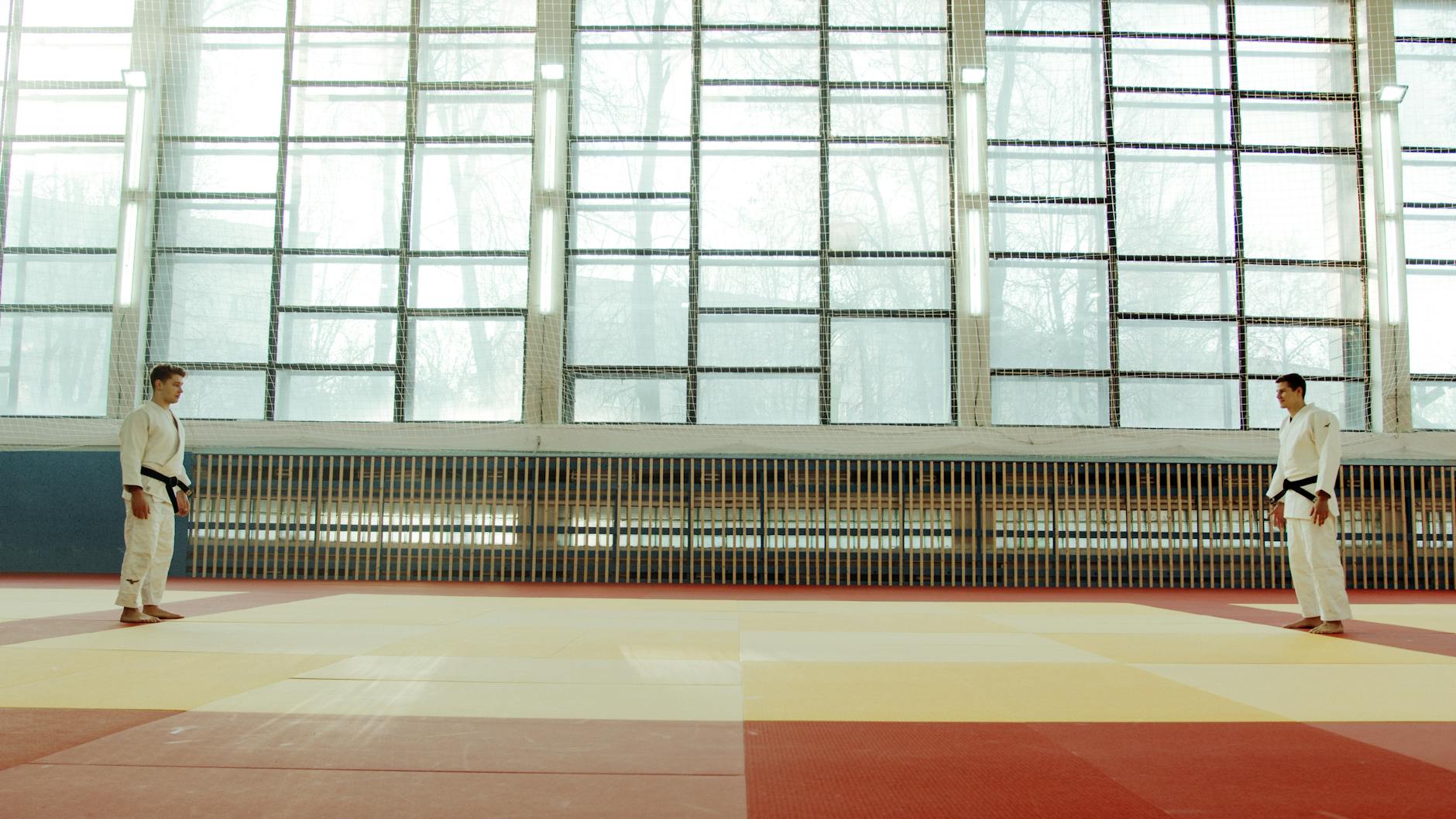
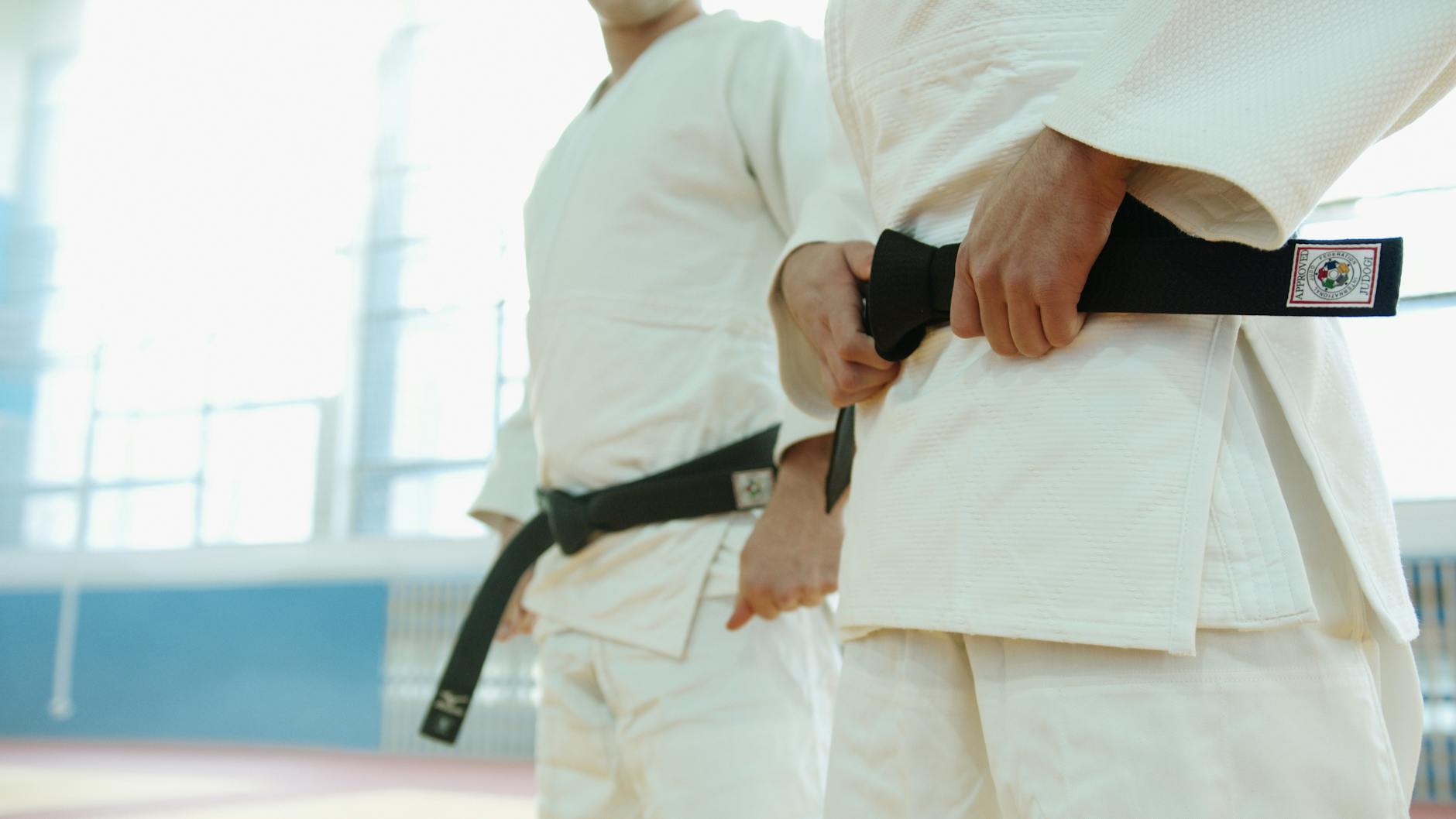
    Two martial artists face off in a sunlit dojo, wearing traditional judo gear.


    Photo by Artem Podrez

    Managing Emotions Through Discipline

    Children often grapple with big emotions like frustration or anger, yet martial arts teaches them how to channel and manage these feelings. Breathing exercises, mindfulness techniques, and even meditation are key components in many martial arts traditions. These tools act as a “reset button,” helping kids ground themselves in emotionally charged situations.

    • Breathing Techniques: Controlled breathing lowers stress levels and brings clarity, helping kids deal with anxiety or anger.
    • Mindfulness Practices: Many martial arts involve moments of silence or reflection, teaching kids to observe their emotions without reacting impulsively.
    • Structure and Routine: Martial arts provides a safe space where kids learn to regulate emotions, even when faced with challenges during sparring or drills.

    For example, a child struggling with frustration during sparring eventually learns to pause, breathe, and approach setbacks constructively—skills that are transferable to tests, friendships, or even family arguments.

    Building Confidence Through Effort

    There’s no shortcut to mastery in martial arts. Reaching each milestone, whether earning a new belt or nailing a tough technique, takes consistent effort. This clear connection between hard work and achievement does wonders for self-esteem.

    • Kids simultaneously set and achieve realistic goals. A white belt evolves into yellow, green, or beyond, each step reflecting persistence.
    • Challenges are not avoided but embraced, developing “earned confidence.” Every move mastered or form perfected builds authentic pride.
    • Instructors frequently recognize students’ efforts, encouraging them with positive reinforcement.

    As children see their improvement, they grow more confident in their abilities, both on and off the mat. They begin to believe, “If I can achieve this through discipline, I can achieve other goals too.”

    Through martial arts, kids build an inner strength that sticks with them for years. Skills go beyond physical coordination, touching on emotional regulation, focus, and a growing belief in their ability to rise to challenges.

    Behavioral Impact of Martial Arts Discipline

    Martial arts isn’t just about punches, kicks, or earning belts—it fundamentally shapes children’s behavior and mindset. Through consistent training, young martial artists learn discipline that extends well beyond the dojo. Concepts like respect, critical thinking, and self-control are reinforced in every practice, eventually becoming second nature. Let’s explore how martial arts helps kids develop essential behavioral traits.

    Improved Decision-Making Skills

    Martial Arts Discipline
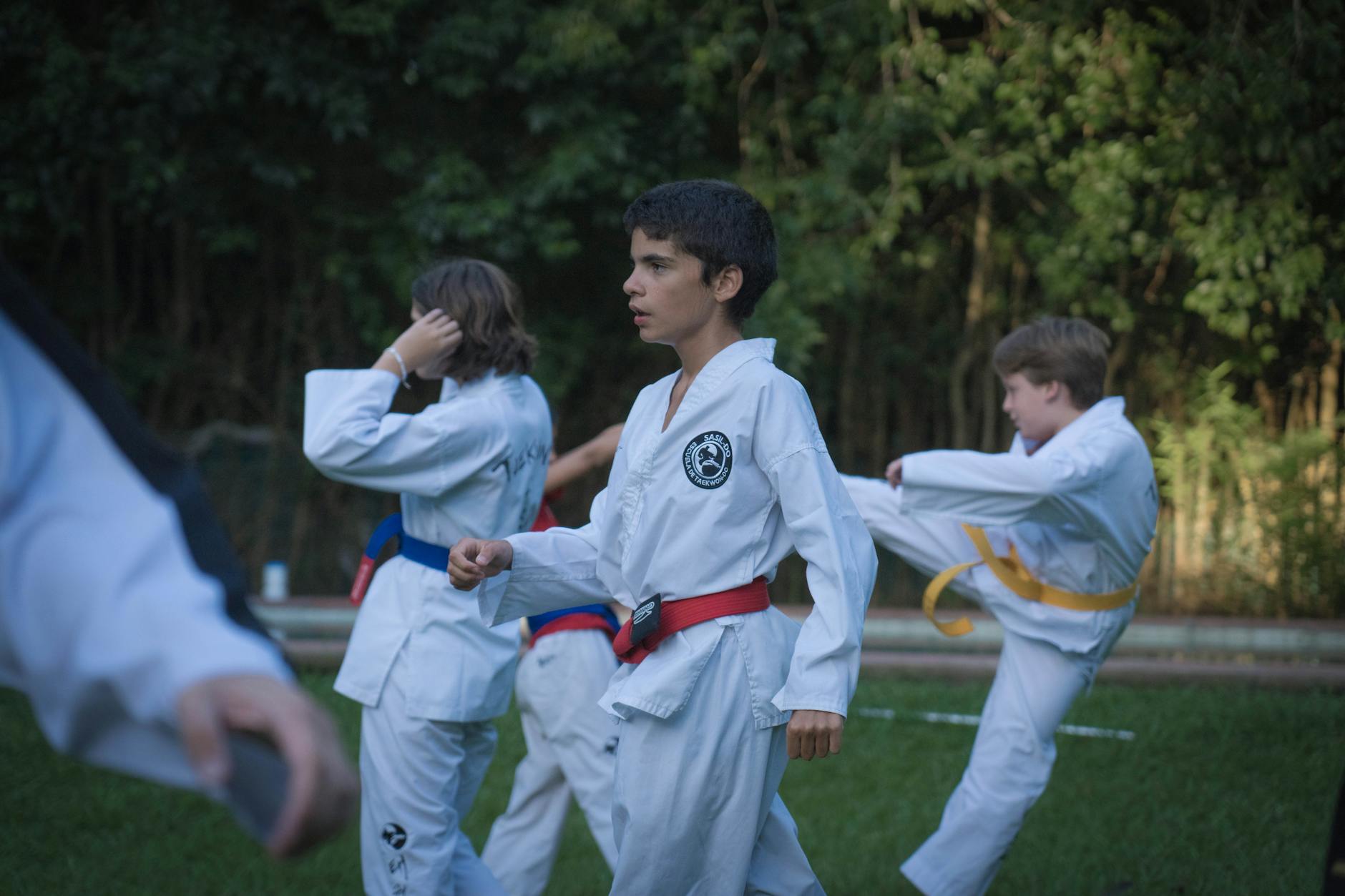
    Boys practicing Taekwondo outdoors, showcasing martial arts discipline and focus.


    Photo by Martin.que

    Martial arts training encourages children to think critically and make fast, sound decisions—especially during sparring sessions. Sparring isn’t just physical; it’s mental chess. Kids must evaluate their opponent’s movements, anticipate strategies, and respond accordingly within seconds. This process fosters situational awareness and sharpens decision-making abilities.

    • Quick thinking: Sparring teaches kids to assess risks and opportunities in real time, a skill they can apply to everyday situations.
    • Problem-solving practice: Encountering challenges, such as breaking through an opponent’s defense, helps kids learn to devise creative solutions.
    • Confidence under pressure: As children grow comfortable making decisions on the spot, they become more poised in stressful situations.

    By practicing decision-making in a safe environment, kids learn to trust their instincts and remain calm under pressure, both inside and outside the dojo.

    Developing Respect and Courtesy

    Respect lies at the heart of martial arts culture. From bowing at the entrance of the dojo to addressing instructors as “Sensei,” children are taught to honor the traditions and people around them. Over time, these practices foster a deep sense of respect and courtesy.

    • Respect for authority: Kids develop an appreciation for their instructors, understanding the value of listening and following guidance.
    • Peer interactions: Whether practicing with partners or observing others, martial arts emphasizes kindness and support among peers.
    • Self-respect: Discipline requires kids to respect their own boundaries, goals, and achievements, boosting their self-esteem.

    This culture of respect naturally carries into other areas of life. Children learn to treat teachers, parents, and friends with the same level of courtesy they practice in class.

    Conflict Resolution Through Self-Control

    Martial arts teaches that physical strength is not a tool for instigating conflict—it’s a resource for avoiding it. Kids are instilled with a sense of responsibility that prioritizes peaceful solutions over aggressive reactions. Learning self-defense becomes a way to build self-control, not start fights.

    • Emotional regulation: Kids learn to pause and consider their actions rather than reacting impulsively. This teaches them to walk away from heated situations without escalating them.
    • Calm during conflict: Breathing techniques and mindfulness practices often integrated into martial arts help kids stay grounded, even when tempers flare.
    • Understanding boundaries: Training emphasizes the importance of “using words before fists,” teaching kids to navigate social conflicts constructively.

    By adopting a mindset of self-control, children become adept at de-escalating disagreements, keeping themselves and others safe. This skill proves invaluable in handling tense moments at school, with siblings, or in sportsmanship.

    Physical Discipline as a Foundation for Mental Growth

    Physical discipline plays a crucial role in the mental and emotional development of children training in martial arts. By focusing on structured physical routines, martial arts discipline creates opportunities for kids to refine their motor skills, build resilience, and unlock new ways of thinking. This mind-body connection is the cornerstone of how martial arts helps young learners grow, both physically and mentally.

    Fitness and Coordination

    Martial Arts Discipline
    A young martial artist in uniform practicing indoors with focus and energy.


    Photo by RDNE Stock project

    Physical martial arts discipline starts with fitness. The repetitive motions, drills, and sparring sessions are more than just physical exertion—they’re practice in precision and control. For kids, this strengthens motor skills and builds endurance in ways that benefit their overall health.

    • Improved motor skills: Movements like kicks, punches, and stances improve coordination by training kids to control their muscles with precision. This refined control can even help with activities outside martial arts, such as sports or dance.
    • Endurance and flexibility: Conditioning exercises help kids build stamina and enhance their range of motion, making their bodies more adaptable to everyday challenges.
    • Better posture and balance: Drills often focus on symmetrical movements or balance-based stances, training children to hold and stabilize their bodies while in motion.

    The structured routines in martial arts also teach kids the importance of taking care of their physical health. By improving their bodies through hard work and consistency, children develop an appreciation for staying active—something that benefits their emotional state, too.

    Link Between Physical Routine and Cognitive Growth

    Martial arts is about more than mastering physical techniques; it’s about cultivating mental sharpness. Structured physical routines spark significant cognitive development, helping kids adapt to challenges, bounce back from setbacks, and improve problem-solving abilities.

    • Resilience under pressure: Martial arts teaches kids to face failures head-on. Whether they’re struggling to perfect a move or losing during a sparring session, they learn to stay calm, reassess the situation, and try again. This builds mental strength and fosters a positive attitude toward challenges.
    • Mental adaptability: Repetitive drills train the brain to make faster, more accurate decisions. Kids sharpen their ability to think critically and choose the most effective response during high-pressure scenarios, like sparring.
    • Emotional regulation: Engaging in physical practices fosters mindfulness. Controlled movements paired with breathing techniques help kids stay centered, reducing anxiety and improving focus.

    In martial arts, physical routines create a blueprint for tackling mental challenges. Learning to focus on the present moment, manage frustration, and embrace growth translates into academic and social confidence outside the dojo. This connection between physical and mental growth serves as a lifelong tool for success.

    Conclusion Of Martial Arts Discipline

    Martial arts offers a transformative way to shape discipline in children, blending physical activity with mental and emotional growth. Through its structured routines, kids build confidence, learn accountability, and develop the focus needed to tackle challenges in any area of life. The emphasis on consistent effort and emotional regulation fosters habits that extend far beyond the dojo, shaping resilient and thoughtful individuals.

    For parents seeking a holistic approach to their child’s development, martial arts discipline stands out as a practical and engaging solution. Encouraging your child to step onto the mat might just set them on a path toward greater self-control, perseverance, and success. Why not explore a local class and see the benefits firsthand?

  • 12 Ways Martial Arts Can Boost Kids’ School

    12 Ways Martial Arts Can Boost Kids’ School

    Learning Martial Arts can do more than teach kicks and punches? It’s a powerful tool to improve kids’ school performance. From better focus and time management to increased confidence, Learning Martial Arts offers skills kids can use both in class and life. Training builds discipline, self-control, and resilience while helping manage stress—key factors in learning. Whether it’s staying on task during homework or handling academic challenges calmly, martial arts supports kids in succeeding far beyond the dojo.

    Enhancing Focus and Concentration

    Learning Martial Arts is about more than just physical movements—it’s a practice that builds mental strength and sharpens focus. Kids who train in martial arts are learning to control their attention, minimize distractions, and stay in the moment. Let’s look at how this discipline enhances focus and concentration in everyday life.

    Mindfulness Training

    Learning Martial Arts
    A man and child meditating in a dojo, focusing on martial arts discipline

    Photo by cottonbro studio

    In martial arts, staying present is essential. Kids are introduced to mindfulness techniques like controlled breathing, meditation, and focused visualization. These exercises strengthen their ability to concentrate by helping them tune into what’s happening right now. Controlled breathing, for instance, has a calming effect on the nervous system, clearing mental clutter and improving focus. Whether it’s perfecting a kick or managing stress at school, the same mindfulness training applies.

    Let’s not forget, sparring or practicing forms requires full attention. These activities demand that kids stay aware of their body movements, timing, and the actions of those around them. This sharpens their mental clarity and attention span, which translates directly to focused learning in the classroom. Have you ever noticed how much better kids can absorb lessons when they’re really paying attention? That’s mindfulness in action.

    Reducing Distractions

    Learning Martial Arts creates a disciplined environment. From the moment a child steps onto the mat, they’re expected to follow rules, listen attentively, and respect their instructors. These habits naturally build the ability to sideline distractions. For instance, a child practicing Karate or Jiu-Jitsu isn’t thinking about their favorite video game—they’re entirely focused on the techniques in front of them.

    This level of discipline carries over to their studies. Martial arts trains kids to prioritize tasks and set goals. If they can block out distractions during a sparring session, they can apply the same mindset to homework or staying engaged in class. It’s like building a mental filter that helps them focus on what matters most.

    By teaching kids to stay in the moment and block out noise—both literal and figurative—martial arts equips them with a skill that has endless applications. It keeps their minds sharp, their goals clear, and their distractions in check.

    Cultivating Self-Discipline and Responsibility

    Learning Martial Arts invites children into an environment where discipline isn’t just a word—it’s a way of life. The structured approach used in martial arts, from strict rules to clear consequences, demands responsibility while fostering growth. Kids learn to manage their choices, prioritize their goals, and take ownership of their actions—all skills that translate into better academic performance.

    Understanding Consequences

    [caption id="" align="alignnone" width="1880"]Learning Martial Arts A martial artist bowing in a sunlit studio, wearing a black gi with belt, focused on mindfulness.

    Photo by RDNE Stock project
    Learning Martial Arts creates a structured setting where rules are clear, and the consequences for breaking them are just as defined. Immediate feedback, like losing focus during a sparring session and making a mistake, helps kids connect their actions with results. This mirrors the academic environment where forgetting to study impacts a test score or failing to complete homework affects grades.

    Attending martial arts classes teaches children the importance of commitment. They understand that skipping practice or not putting in effort results in slower progression through belt ranks. Similarly, the responsibility to prepare for school exams or stay on top of assignments becomes a habit they naturally adopt. When kids understand the weight of their choices early on, accountability becomes second nature.

    This system of learning through experience strengthens a child’s ability to take control of their academic success. Whether it’s following directions from a teacher or working on a group project, they carry the same respect for rules and accountability they’ve practiced in the dojo.

    Task Prioritization

    Learning Martial Arts isn’t just about physical drills; it’s also about setting meaningful goals and working towards them with persistence. Kids are taught to break down larger objectives, like mastering a complex form or earning their next rank, into manageable steps. These lessons extend far beyond the dojo.

    By learning how to prioritize tasks during training—such as focusing on technique first, then building speed and precision—kids sharpen their ability to organize and prioritize in school. Learning Martial Arts gives them a framework to tackle academic challenges the same way, whether it’s writing an essay or preparing for a big test.

    Additionally, Learning Martial Arts emphasizes short-term achievements (like perfecting one kick in class) alongside long-term objectives (such as earning a black belt). Kids learn that smaller victories compound over time, which motivates them to stay dedicated. This mindset helps them see how studying chapter by chapter leads to mastering an entire subject. Task prioritization becomes a practical skill they bring to homework, projects, and managing deadlines effectively.

    Teaching children that progress takes commitment sends a larger message: the effort they put into their education is just as rewarding as physical training.

    Building Confidence and Reducing Anxiety

    Martial arts plays a powerful role in helping kids build confidence and manage anxiety, both of which directly impact academic performance. Consistent training equips children with the mental tools to navigate challenges, remain calm under pressure, and approach tasks with self-assurance. Let’s take a closer look at how this happens.

    Overcoming Challenges

    Learning Martial Arts
    A confident martial arts instructor wearing a black belt in the dojo, exuding positivity.


    Photo by RDNE Stock project

    Failure is a stepping stone in martial arts. Kids will stumble when learning a new technique, struggle through sparring matches, or face moments of doubt when attempting to earn a higher belt. Instead of viewing these instances as setbacks, Learning Martial Arts teaches students to embrace them as opportunities to grow. They develop perseverance by repeatedly confronting challenges, which strengthens their resilience in the face of adversity.

    This mindset extends to academics. For a child, failing a math test or forgetting lines in a class presentation can feel overwhelming. But when they’ve built the habit of pushing through difficulties in martial arts, they learn to approach school challenges with patience and determination. The mantra becomes clear: effort and consistency lead to progress. Overcoming obstacles on the mat instills a sense of “I can do this,” which reshapes how kids tackle academic hurdles.

    Reducing Test Anxiety

    Many students experience test anxiety—a mix of self-doubt, stress, and overwhelming pressure to perform. Learning Martial Arts offers effective strategies to overcome this. Training incorporates tools like controlled breathing, visualization, and staying in the present moment—all of which help regulate the nervous system.

    Deep breathing techniques taught in martial arts, for example, help manage the fight-or-flight response triggered by stress. This is critical during high-pressure situations like exams. A child who has practiced calming their body and mind in Learning Martial Arts class can apply that same skill during tests, replacing anxiety with focus.

    Learning Martial Arts also encourages mental clarity. Through drills and routines, kids are guided to zero in on the task at hand and block out distractions. This practice sharpens concentration, reducing “mental clutter” that can undermine their performance under timed conditions. As a result, they gain tools to stay composed and confident—not just in martial arts, but in all areas of their academic life.

    By addressing both the fear of failure and the physiological symptoms of stress, martial arts provides a holistic approach to nurturing confidence and emotional balance. These benefits ripple into improved school performance, making every session on the mat a step toward academic and personal success.

    Improving Social and Emotional Intelligence

    Learning Martial Arts isn’t just about physical techniques. It plays a profound role in helping kids develop social and emotional intelligence. These qualities enhance how children connect with others, manage their emotions, and navigate group settings—vital skills for school and life. Let’s explore two specific ways martial arts makes an impact.

    Conflict Resolution Skills

    Learning Martial Arts
    A young male martial artist training indoors with a punching bag.

    Photo by Artem Podrez

    Learning Martial Arts teaches kids effective, non-violent ways to address disagreements. How? It all starts with self-awareness and self-control. Through training, children learn to pause, assess their emotions, and respond thoughtfully rather than impulsively. Whether they’re frustrated with a sparring partner or dealing with a disagreement at school, they’re taught to resolve conflicts without resorting to aggression.

    Instructors often emphasize respect for others, which goes hand-in-hand with conflict resolution. Role-playing exercises, which simulate real-life scenarios, help kids practice de-escalating tough situations. They come to understand that winning an argument isn’t the goal; finding a peaceful solution is. This mindset improves their interactions with peers, making them more empathetic communicators in and out of school.

    Encouraging Teamwork

    Martial arts isn’t always a solo practice. Many schools incorporate partner drills, group exercises, or even team challenges during training sessions. These activities teach kids to rely on others, listen actively, and synchronize efforts toward a shared goal. For example, practicing grappling techniques or working in pairs to refine moves requires mutual trust and collaboration.

    This experience directly supports teamwork in school. Whether they’re working on a group project or playing on a sports team, the lessons of Learning Martial Arts create a foundation for respecting different perspectives and communicating effectively. Team-building in the dojo is like preparing for real-world group tasks—where success depends on cooperation rather than individual effort.

    By teaching kids how to navigate group dynamics and work together, martial arts ensures they’re prepared for any collaborative challenge school throws their way.

    Enhancing Physical Fitness and Cognitive Function

    Martial arts isn’t just about building strength—it’s a unique combination of physical activity and mental discipline that profoundly impacts both the body and mind. For kids, this dual benefit directly supports their school performance by improving memory, focus, and overall well-being. Let’s explore how Learning Martial Arts enhances both cognitive function and physical health to help kids excel in academics.

    Boosting Memory and Learning Abilities

    Martial arts teaches your child a variety of complex movements and sequences. Why is this important for brain development? These techniques involve a combination of coordination, balance, and recall, which exercises the brain as much as the body. Remembering forms, learning new drills, or sparring all require active engagement of memory and problem-solving skills.

    When practicing martial arts:

    • Memory improves because kids must recall long sequences of moves in order, much like reviewing material for a history test.
    • Problem-solving skills are boosted every time they adapt to an opponent’s tactic or correct form during practice.
    • Multitasking abilities grow through exercises like coordinating footwork while maintaining proper arm techniques. This is similar to managing multiple school subjects or juggling a busy class schedule.

    Research shows that physical activities like martial arts promote neurogenesis, the growth of new brain cells, especially in areas related to learning and memory. Moreover, the focus required during martial arts helps kids develop sustained attention—key for absorbing lessons and tackling tough school assignments. Training their body also trains their ability to remain resilient and adaptive in mentally complex scenarios, like solving math problems under pressure.

    Better Sleep and Energy Levels

    Regular physical activity is directly linked to improved sleep patterns. Martial arts, through its demanding routines, ensures kids expend their energy effectively, making it easier for their bodies to wind down at the end of the day. Better rest leads to sharper minds and sustained energy the next day—crucial for prolonged focus in class.

    Here’s how Learning Martial Arts helps kids optimize their sleep and energy levels:

    1. Exercise promotes natural fatigue: Classes involve high-intensity cardio, stretching, and strength-building exercises, all of which help regulate children’s circadian rhythms.
    2. Reduces stress: Martial arts incorporates mindfulness techniques like breath control that lower cortisol levels, paving the way for better relaxation before bed.
    3. Improved energy balance: A good night’s sleep restores energy levels, which means kids are more alert and engaged during morning lessons.

    In fact, studies suggest that kids who exercise regularly report falling asleep faster and feeling less groggy when they wake up. This translates to better classroom participation and higher retention of information. Martial arts, in essence, resets their physical and mental “batteries,” preparing them to tackle daily academic and social challenges.

    By improving both physical vitality and cognitive skills, martial arts gives children the tools they need to thrive, inside and outside the classroom.

    Conclusion

    Martial arts stands out as a unique tool for helping kids thrive in both school and life. From improved focus and self-discipline to better confidence and emotional resilience, it equips children with skills that directly enhance their academic success. These benefits extend beyond grades, fostering personal growth and the ability to tackle challenges head-on.

    If you’re looking for a well-rounded activity that supports your child’s education while also promoting physical and mental health, martial arts might just be the perfect fit. Why not give your child the opportunity to grow in ways that last a lifetime? Explore local martial arts programs and watch them develop skills that set them up for success in and out of the classroom.

  • 8 Ways Martial Arts Helps Kids Improve Focus

    8 Ways Martial Arts Helps Kids Improve Focus

    Best martial arts for kids : Kids today face endless distractions, from screens to busy schedules, making focus harder than ever to achieve. Best martial arts for kids offers a unique solution by blending physical discipline with mental focus. Through structured routines, goal-setting, and mindfulness, Best martial arts for kids strengthens a child’s ability to concentrate — not just on the mat, but in everyday life. It’s more than just kicks and punches; it’s about building skills that last a lifetime.

    The Role of Discipline in Best martial arts for kids

    Discipline is the foundation of martial arts. For kids, it’s more than just rules—they learn structure, patience, and the importance of hard work. This creates lasting habits that extend well beyond the dojo. Here’s how Best martial arts for kids instills discipline and helps children focus.

    Structured Environment

    Best martial arts for kids thrive in a structured environment with clear routines, rules, and expectations. Each session is organized with warm-ups, techniques, and cooldowns, adhering to a consistent flow that children can rely on. Kids know what’s expected, which eliminates guesswork and helps them stay on task.

    These rules aren’t just about behavior; they teach respect for instructors, peers, and themselves. With this structure, kids develop a sense of order that carries over into schoolwork and everyday life. Think of it like building a solid framework—a mental roadmap for navigating challenges with confidence.

    Best martial arts for kids
    Photo by RDNE Stock project

    Repetitive Drills and Techniques

    Martial arts isn’t about instant mastery; it’s about progress through repetition. Kids learn techniques like punches, kicks, and stances by practicing them over and over. Although repetitive, this builds more than muscle memory—it teaches focus and patience to refine even the tiniest details, like foot placement or timing.

    Each drill strengthens a child’s ability to concentrate, requiring them to be present in the moment. Have you ever noticed how athletes practice the same moves repeatedly? The principle is the same here: repetition sharpens skills while fostering mental discipline.

    Belt Systems and Goal Setting

    One of the most engaging aspects of martial arts is the belt system. Each belt represents a milestone, giving kids something tangible to work toward. These goals are incremental, breaking larger achievements into manageable steps. Whether it’s mastering a new kick or memorizing a sequence, kids learn to focus on the now while keeping their long-term objectives clear.

    This approach mirrors effective goal-setting strategies in real life. By tackling smaller tasks to achieve bigger dreams, kids develop perseverance and focus along the way. Watching them light up as they earn a new belt shows how powerful striving for personal success can be.

    The Link Between Physical Activity and Focus

    Physical activity has a profound impact on mental clarity and concentration, especially for children. Best martial arts for kids play a unique role by combining rigorous physical training with mindfulness practices, creating a perfect balance of body and mind. Through structured exercises and mental discipline, martial arts sharpen focus in ways that traditional exercises often overlook.

    Endorphins and Mood Improvement

    When kids engage in martial arts, their bodies release endorphins—commonly known as “feel-good” hormones. These natural chemicals elevate mood, reduce stress, and create a sense of well-being. Why is this important for focus? A happier, calmer child is better equipped to concentrate on the task at hand, whether it’s a math problem in school or a challenging sequence during martial arts class.

    In addition, Best martial arts for kids involve activities like kicking, punching, and jumping that get the heart pumping. This aerobic activity increases blood flow to the brain, which helps improve cognitive function and attention. It’s like fueling the brain with fresh energy, making it easier to stay alert and engaged. Don’t we all work better when we feel good?

    Improved Body Awareness

    Best martial arts for kids demand precision and control, fostering a deep connection between the mind and body. Kids need to pay close attention to their movements, whether it’s perfecting a roundhouse kick, maintaining balance in a stance, or reacting quickly to a partner’s attack. Over time, this practice develops heightened body awareness and coordination.

    What does this have to do with focus? Understanding how their bodies move helps kids stay present. They learn to focus on small details, like the pivot of a foot or the angle of an arm, rather than getting distracted. This translates into daily life, where they can channel the same level of attention to tasks like writing, drawing, or even tying their shoes.

    Best martial arts for kids
    Photo by Annushka Ahuja

    Best martial arts for kids teach them that focus isn’t just about their mind—it’s about a strong connection between mind and body. This coordination helps them engage fully in the present moment, an invaluable skill when distractions are constantly pulling for attention.

    Mindfulness and Breathing Techniques

    Mindfulness and breathing are at the heart of Best martial arts for kids training, helping kids master the art of mental clarity and emotional control. This isn’t just about sitting cross-legged and closing eyes; it’s incorporating powerful tools to help children balance their energy and stay grounded even in challenging situations. In martial arts, mindfulness becomes a superpower that helps children focus on their training and manage stress effectively.

    Meditation Practices

    Best martial arts for kids
    Photo by Hebert Santos

    In Best martial arts for kids, meditation is more than a relaxing end-of-class activity—it’s a core skill for focus. By practicing meditative techniques, kids learn to quiet their racing thoughts and direct their full attention to the present moment. This helps them absorb instructions better and apply techniques with precision.

    During meditation, children often focus on simple things like their breath or posture. This practice teaches them to clear mental distractions and builds their attention span over time. Imagine a computer closing down unnecessary tabs to run faster. That’s exactly what these moments of mindfulness do for your child’s brain—they declutter and sharpen focus.

    Instructors in martial arts often weave meditation into warm-ups or cooldowns. With regular practice, kids may find themselves taking these mindful moments off the mat—helping them concentrate in school or stay calm during stressful moments at home.

    Controlled Breathing Exercises

    Breathing techniques in Best martial arts for kids teach them an important lesson: how they breathe can influence how they feel. For instance, shallow, quick breaths often accompany stress or anxiety, while slow, deliberate breaths promote calmness and control. Many martial arts classes include exercises that encourage children to breathe from their diaphragms, helping them naturally manage their emotional state.

    How does this help with focus? Controlled breathing builds an internal pause button. Let’s say a child is feeling frustrated during training or struggling with a tough day—they can use what they’ve learned to take a few deep breaths, reset their emotions, and carry on. It’s a skill that acts like an emotional reset switch, helping kids stay engaged even when challenges arise.

    In many schools of martial arts, specific breathing drills are tied to movements. For example, exhaling during a punch or kick helps kids focus on timing and form. Over time, this coordination between breath and movement reinforces self-awareness, making kids more in tune with their body and thoughts—a skill that extends far beyond the dojo.

    Social and Emotional Benefits

    Best martial arts for kids don’t just engage the body—they also empower the mind, shaping social skills and emotional resilience in kids. Through carefully structured classes, children learn how to forge strong connections with peers while building confidence from within. Here’s how martial arts encourage these important social and emotional growth areas.

    Building Peer Relationships

    Martial arts provide a perfect platform for kids to interact and engage with others in a supportive setting. Partner drills, for instance, teach cooperation and mutual respect. When a child pairs up with a partner to practice moves or spar safely, they’re learning to work as a team. Collaboration becomes second nature because success often hinges on working together to improve technique and timing.

    Sparring, a controlled practice of combat, builds even deeper interpersonal skills. Both participants must trust each other to follow rules and keep safety a priority. This mutual reliance fosters respect and teaches kids the value of shared goals. Think of it as a small-scale team project: each child learns that focusing on the task isn’t just about their own improvement, but about helping their partner succeed too.

    On top of that, kids quickly discover the joy of belonging to a community. Martial arts classes bring children of various ages and backgrounds together, creating an environment where friendships are built naturally. Since respect and listening are core components of martial arts, these bonds are often rooted in understanding and cooperation. It’s a setting where bullying has no place, and teamwork thrives.

    Boosting Self-Esteem

    Few things fuel focus like confidence, and martial arts are a proven confidence booster. Achieving goals—whether it involves earning a new belt or mastering a challenging move—instills a strong sense of accomplishment. This feeling of “I can do it” carries over into other parts of a child’s life, whether it’s tackling a tough math assignment or trying out for a sports team.

    Best martial arts for kids sets kids up with clear, measurable milestones. Each success, no matter how small, builds on the last. For example, a child who once struggled with a basic stance might feel unstoppable after nailing a more complex sequence. This sense of progress shows them that effort and focus lead to results—an incredible life lesson.

    Kids who feel confident also tend to have better emotional regulation. Martial arts help them learn that failure isn’t a setback but an opportunity to improve. For a child who slips up during practice, a compassionate instructor might say, “That was great effort—let’s refine it!” This approach not only builds resilience but also keeps kids motivated to stay focused and keep working toward their goals.

    Confidence isn’t just visible in their performance on the mat; it shows up in the way they carry themselves outside class. Whether they’re raising their hand in school or meeting new friends, kids who feel empowered can tune out distractions and center their attention on what truly matters. With every stripe and belt achieved, martial arts reminds kids that they’re capable of incredible things.

    Benefits for Children with ADHD

    Martial arts training can provide transformative benefits for children with ADHD, focusing not just on their physical development, but also on their emotional and mental well-being. Children with ADHD often struggle with impulsiveness, hyperactivity, and maintaining attention, but martial arts offer a structured and supportive environment that addresses these challenges head-on. Here’s how martial arts can specifically help these children through structured activity and goal-oriented training.

    Structured Physical Outlet

    Best martial arts for kids
    Photo by Martin.que

    Children with ADHD often possess surplus energy, which can make it hard for them to sit still or stay focused. Martial arts classes provide a safe, controlled space where this energy is not only accepted but redirected. In a structured setting, kids practice disciplined movements like kicks, punches, and stances, offering them a physical outlet that aligns with their natural need to stay active.

    The repetitive nature of drills in martial arts reinforces a sense of security through predictability. Step-by-step guidance allows kids to concentrate on specific tasks without feeling overwhelmed. The act of channeling their energy into precise movements improves their overall attention span and reinforces self-control. It’s about turning potential chaos into focus—one move at a time.

    Beyond individual focus, this structured practice enhances motor skills and coordination. Many parents of ADHD children witness improvements in their child’s ability to manage impulsive actions because martial arts teaches them to pause, think, and execute movements deliberately. Over time, this becomes a life skill that helps them navigate other areas, such as school or social settings.

    Task-Oriented Training

    Martial arts are inherently goal-based disciplines. Whether it’s learning a new kicking technique or progressing through the belt system, children are constantly working toward something tangible. For kids with ADHD, achieving milestones in martial arts, both big and small, is particularly significant. These moments serve as natural opportunities to build confidence and develop their ability to prioritize and complete tasks.

    Each class is structured, often beginning with warm-ups, followed by skill-building drills, and ending in cooldowns or self-reflection. Instructors present tasks in bite-sized steps, keeping children engaged without overwhelming them. Breaking down complex sequences into smaller, manageable drills ensures kids experience ongoing success, which reinforces their self-esteem and focus.

    Martial arts also teach children to wait their turn, follow multi-step instructions, and stay patient—key areas where kids with ADHD often need additional support. This type of training exercises their ability to stay attentive and mindful. For example, before learning a spinning kick, they may be instructed to master the stance and pivot movements first. This reinforces the importance of sequencing and attention to detail.

    Moreover, the belt system uniquely motivates kids with ADHD by helping them set clear, incremental goals. It’s not just about earning a belt—it’s about the journey and development along the way. With every new belt, they gain not only recognition but also a sense of accomplishment that boosts their willingness to focus and work harder.

    By emphasizing structure and deliberate practice, martial arts prove to be an exceptional activity for mitigating many of the challenges associated with ADHD. Kids aren’t just burning energy; they’re building crucial life skills in focus, discipline, and patience—qualities that will serve them well beyond the dojo.

    Conclusion

    Best martial arts for kids offers a practical, engaging way to help kids build focus while cultivating discipline, confidence, and emotional resilience. The combination of structured routines, mindfulness, and goal-setting not only improves attention but also provides lifelong skills.

    For parents seeking a holistic activity that supports both mental and physical development, martial arts is hard to beat. Whether through repetitive drills, breathing exercises, or the satisfaction of progressing through a belt system, kids gain tools to stay present and overcome challenges.

    Ready to see these benefits in action? Consider enrolling your child in a local martial arts program and watch their focus and self-confidence grow. What better way to prepare your child for the distractions of today’s world?

  • Super Bowl Discount

    Super Bowl Discount

    Bigger than the final score! Use The Code: FLY59 To Save An Additional 10% On These Amazing Deals.

    Our New Student Specials Just Got Better…

    1 Month 2 Classes Per Week + Uniform: $99 (Regularly $169)

    3 Months Unlimited Classes + Uniform : $249 (Regularly $507)   

    stress related to anxiety

    Don’t forget.  Use coupon code: FLY59 to save even more on your martial arts trial membership.

     stress related to anxiety

    We’re excited to meet your family.

    Reach out with any questions.  Feel free to reply to this message.  

    Have a great day!

    Amerikick Coaches, Sensei’s & Staff

    www.amerikickwarminster.com 

    stress related to anxiety

    Understanding stress related to anxiety in Children

    stress related to anxiety are no longer challenges faced solely by adults. Kids, in today’s world, encounter a multitude of stressors that can weigh heavily on their mental health. Recognizing what they’re dealing with and being able to support them starts with understanding the causes and signs of these feelings.

    Common Causes of stress related to anxiety in Kids

    Children, much like adults, experience stress from various areas of life. However, the triggers for kids are often more complex given their still-developing coping mechanisms. Here are some common causes every caregiver should be aware of:


      1. Academic Pressure


          • Homework, looming tests, and the expectation to perform well can create a high level of stress.

          • Kids often feel overwhelmed when trying to juggle multiple subjects and extracurricular activities.

          • The pressure to “fit in” academically with peers adds more tension.

      1. Social Dynamics


          • Friendships can be complicated. From feeling left out to struggling with bullying, social experiences play a big role.

          • Peer pressure can influence decisions and trigger anxiety, especially as kids try to navigate group dynamics.

      1. Family Issues


          • Divorce, financial struggles, or frequent moves can unsettle many children.

          • Even subtle, ongoing household stress (arguments, instability) can have a long-term impact on how kids feel.

      1. External Events


          • Exposure to traumatic events, like a pandemic or natural disasters, can increase anxiety levels significantly.

          • Big life changes, such as moving to a new school or the death of a family member, can also be overwhelming.

    These stresses often compound, creating an environment where children struggle to find a clear path to relaxation and security.

    Signs of stress related to anxiety in Children

    stress related to anxiety don’t always show up the way you’d expect in children. Unlike adults, kids may not always verbalize their emotions. Instead, their feelings come out in behavioral or physical ways:


      • Behavioral Indicators


          • Increased irritability or frequent tantrums.

          • A sudden resistance to attending school or social engagements.

          • Avoidance of activities they once enjoyed, like sports or play dates.

          • Becoming unusually clingy or demanding more attention than usual.

      • Emotional Indicators


          • Overwhelmed emotional responses, such as crying spells or excessive worry.

          • Difficulty focusing on tasks or conversations.

      • Physical Symptoms


          • Complaining about stomachaches, headaches, or general discomfort with no clear cause.

          • Struggling with sleep—either trouble falling asleep, or nightmares that interrupt rest.

    Parents and caregivers need to see these signs as red flags. Stress may sometimes masquerade as “just a phase,” but staying observant can help identify when professional support may be needed.

  • How Martial Arts Helps Kids Beat Stress?

    How Martial Arts Helps Kids Beat Stress?

    Martial Arts for children is important for Stress and anxiety because it becoming common struggles for kids today, from school pressures to social challenges. While these feelings can be overwhelming, martial arts offers a surprising and effective way to help. Through structured routines, physical activity, and mental focus, kids gain tools to manage their emotions and build resilience. This is more than just exercise—it’s a path to confidence and calm that supports their overall well-being.

    Understanding Stress and Anxiety in Children

    Stress and anxiety are no longer challenges faced solely by adults. Kids, in today’s world, encounter a multitude of stressors that can weigh heavily on their mental health. Recognizing what they’re dealing with and being able to support them starts with understanding the causes and signs of these feelings.

    Common Causes of Stress and Anxiety in Kids

    Children, much like adults, experience stress from various areas of life. However, the triggers for kids are often more complex given their still-developing coping mechanisms. Here are some common causes every caregiver should be aware of:

    1. Academic Pressure
      • Homework, looming tests, and the expectation to perform well can create a high level of stress.
      • Kids often feel overwhelmed when trying to juggle multiple subjects and extracurricular activities.
      • The pressure to “fit in” academically with peers adds more tension.
    2. Social Dynamics
      • Friendships can be complicated. From feeling left out to struggling with bullying, social experiences play a big role.
      • Peer pressure can influence decisions and trigger anxiety, especially as kids try to navigate group dynamics.
    3. Family Issues
      • Divorce, financial struggles, or frequent moves can unsettle many children.
      • Even subtle, ongoing household stress (arguments, instability) can have a long-term impact on how kids feel.
    4. External Events
      • Exposure to traumatic events, like a pandemic or natural disasters, can increase anxiety levels significantly.
      • Big life changes, such as moving to a new school or the death of a family member, can also be overwhelming.

    These stresses often compound, creating an environment where children struggle to find a clear path to relaxation and security.

    Martial Arts for children Photo by Monstera Production

    Signs of Stress and Anxiety in Children

    Stress and anxiety don’t always show up the way you’d expect in children. Unlike adults, kids may not always verbalize their emotions. Instead, their feelings come out in behavioral or physical ways:

    • Behavioral Indicators
      • Increased irritability or frequent tantrums.
      • A sudden resistance to attending school or social engagements.
      • Avoidance of activities they once enjoyed, like sports or play dates.
      • Becoming unusually clingy or demanding more attention than usual.
    • Emotional Indicators
      • Overwhelmed emotional responses, such as crying spells or excessive worry.
      • Difficulty focusing on tasks or conversations.
    • Physical Symptoms
      • Complaining about stomachaches, headaches, or general discomfort with no clear cause.
      • Struggling with sleep—either trouble falling asleep, or nightmares that interrupt rest.

    Parents and caregivers need to see these signs as red flags. Stress may sometimes masquerade as “just a phase,” but staying observant can help identify when professional support may be needed.

    The Benefits of Martial Arts for children

    Martial Arts for children training is more than just learning how to defend oneself. For kids, it’s a holistic approach that fosters physical health, mental calm, and emotional strength. It’s a discipline that can significantly contribute to a child’s confidence and ability to manage stress, particularly in today’s demanding world. Let’s explore how Martial Arts for children can uniquely benefit them across core areas.

    Physical Fitness and Its Role in Stress Reduction

    Martial Arts for children is a high-energy activity that combines strength training, cardio, and flexibility. These movements help kids release pent-up energy, which is often linked to stress and anxiety. Think of it as a “reset button” for their nervous system. Exercise increases endorphins—natural chemicals that make us feel good—and reduces stress hormones like cortisol.

    Beyond this, the structured nature of Martial Arts for children means that each session is purposeful and engaging. Kids aren’t simply running on a treadmill; they’re learning precise techniques while staying active. This encourages physical fitness, which has proven links to better mental health. Martial Arts for children also helps them develop better posture and breathing patterns, essential tools in calming the mind.

    Building Confidence and Self-Esteem

    One of the most rewarding aspects of martial arts is its focus on personal progress rather than competition. Kids work toward achievable goals, such as earning new belts or mastering specific techniques. Each accomplishment is a confidence booster, reinforcing the idea that hard work pays off.

    Martial arts also equips children with practical self-defense skills, which can greatly enhance their sense of security. When kids feel capable and prepared, they’re naturally more confident in handling challenges outside of class. The discipline emphasizes respect and self-control, qualities that translate into healthier relationships and a greater sense of self-worth.

    Martial Arts for children Photo by RDNE Stock Project

    Mindfulness and Focus Through Martial Arts for children

    Martial Arts for children isn’t just a physical workout; it’s a mental one too. Activities like sparring, forms, or breaking boards require deep concentration. Kids learn to tune out distractions and focus on their movements, which sharpens their ability to stay present—essentially practicing mindfulness.

    In addition, many martial arts traditions incorporate meditation, breathing exercises, or quiet reflection as part of training. These practices teach kids how to regulate their emotions and remain calm under pressure. The ability to center themselves mentally helps them handle stressors in daily life with greater resilience.

    The combined emphasis on physical effort and mental clarity creates a powerful toolset for kids to manage both their energy and their emotions effectively. Martial arts doesn’t just create strong bodies; it cultivates strong minds.

    Specific Techniques in Martial Arts for children That Help Combat Stress and Anxiety

    Martial arts is far more than kicks and punches—it’s a blend of physical activity, mental clarity, and emotional regulation. For kids struggling with stress or anxiety, martial arts offers proven techniques that directly address these challenges. It’s a space where they can learn ways to stay calm, release tension, and regain focus.

    Breathing Techniques and Meditation: Explore how martial arts training incorporates breathing techniques and meditation to calm the mind.

    Breathing is fundamental in martial arts, making it one of the most effective tools for managing stress. Controlled breathing techniques, such as diaphragmatic breathing, teach kids to focus on their breath and steady their mind. This slows their heart rate and signals the body to relax, even during challenging situations.

    For instance, in disciplines like Karate or Kung Fu, instructors often guide students through deep abdominal breathing. Kids are taught to inhale deeply through their nose, filling their lungs, and exhale slowly through their mouth. This simple yet powerful technique is perfect for easing racing thoughts or calming pre-performance jitters.

    Meditation, commonly paired with breathing exercises, goes a step further. Practices such as seated meditation or movement meditation (seen in martial arts like Tai Chi) encourage mindfulness. This helps kids learn to acknowledge their emotions without feeling overwhelmed by them. Over time, this ability to “stay present” builds resilience against daily stressors.

    Martial Arts for children Photo by cottonbro studio

    Physical Techniques for Stress Relief: Describe physical movements and exercises that help release pent-up emotions.

    Martial Arts for children is highly physical, making it an amazing outlet for stress and anxiety. The repetitive movements in forms, drills, and sparring sessions act as a release valve for pent-up emotions. Punching a bag or practicing kicks allows kids to channel frustration in a safe, structured way.

    Dynamic movements such as shadow boxing or flowing sequences in arts like Capoeira also elevate heart rates and burn off stress hormones like cortisol. This physical activity promotes an emotional “reset,” often leaving kids feeling lighter and re-energized.

    Here are some physical activities that stand out:

    • Pad Kicks and Punches: Physical impact (on a pad or bag) gives kids an immediate sense of relief.
    • Stretching and Warm-ups: Pre-class activities release muscle tension and prepare the body to move fluidly.
    • Complex Combinations: Focusing on learning intricate moves or sequences shifts attention away from worries and into the moment.

    Martial Arts for children consistently pairs movement with discipline, so children not only let out frustration but also learn how to handle their emotions constructively. By practicing these techniques, they learn self-regulation skills that extend far beyond the dojo.

    Creating a Supportive Environment Through Martial Arts for children

    Martial arts is more than a physical activity—it’s a community. A child’s experience in martial arts often goes beyond learning techniques; it includes the relationships they form and the sense of belonging they gain. A supportive environment nurtures self-confidence and provides children with a space to thrive emotionally.

    The Role of Instructors and Peers

    Martial Arts for children Photo by Mehmet Turgut Kirkgoz

    One of the most significant advantages of martial arts is the mentorship provided by instructors and the camaraderie built with peers. Instructors set the tone for the entire dojo or studio. A skilled instructor fosters respect, discipline, and positivity, creating an environment where kids feel safe to grow. They act not only as teachers but also as role models, demonstrating how challenges can be faced with determination and composure.

    Similarly, peers play a critical role in building confidence and reducing isolation. Kids often train in groups, allowing them to make friends and engage with others who share their interests. These peer relationships instill a sense of teamwork and mutual encouragement. A child who feels out of place socially may finally find their “tribe” in a martial arts class where there’s a shared goal of improvement and respect.

    In this environment, kids are free to make mistakes without fear of judgment. They learn to rely on one another and celebrate collective progress, turning peers into a support system for life’s challenges outside the dojo.

    Family Involvement in Martial Arts for children

    Martial arts isn’t just for kids—it’s an activity the whole family can enjoy together. When families train as a unit, it creates an opportunity for shared goals and mutual understanding. The dojo becomes a place where parents and children bond, leaving the stresses of daily life at the door.

    Training together also opens up communication in unique ways. Parents gain insight into their child’s struggles and strengths, while kids see their parents as teammates striving for mastery. This dynamic fosters empathy and support within the family structure.

    Beyond the emotional benefits, families engaged in martial arts experience improved physical fitness and create memorable experiences. Whether it’s earning belts together or practicing at home, these shared moments strengthen family connections.

    By participating in martial arts together, families build not just strength but a foundation of trust and encouragement. It’s a way to grow closer while promoting healthier habits and mindsets for everyone involved.

    Success Stories and Real-Life Examples

    While the benefits of Martial Arts for children are widely discussed, real-life success stories bring these advantages to life. Here, we explore two compelling examples of children who found relief from anxiety and stress through martial arts training.

    Case Study 1: Overcoming Anxiety Through Karate

    Karate has proven to be more than kicks and punches for many children. Take the story of Ethan, a 10-year-old who faced overwhelming anxiety after moving to a new school. Struggling to make friends and overwhelmed by academic expectations, Ethan’s confidence plummeted, and his parents noticed he was withdrawing socially.

    At his parents’ suggestion, Ethan joined a local karate class twice a week. The structured environment gave him a clear routine, something many children with anxiety crave. His instructor emphasized not just physical strength but mental focus and emotional regulation. Over time, Ethan learned to channel his nervous energy into precise techniques, like controlled breathing during sparring.

    Within six months, his parents started to see a transformation. Ethan mastered new karate forms, earning his first colored belt—a tangible achievement that boosted his self-esteem. He also began standing taller, both figuratively and literally, as his confidence radiated beyond the dojo. Karate equipped Ethan with coping mechanisms he applied outside class, like deep breathing during tests or social interactions. Today, he’s thriving both emotionally and socially.

    Martial Arts for children Photo by Franco Monsalvo

    Case Study 2: Empowerment in Taekwondo Classes

    Another inspiring success story comes from Olivia, a 12-year-old who faced self-esteem challenges and intense social anxiety. Struggling to speak up in class and often shying away from group activities, Olivia found it hard to connect with her peers. Her parents decided to enroll her in Taekwondo as a last-ditch effort to foster her confidence.

    From the very first class, Olivia was encouraged by her supportive instructor to take small steps. Breaking boards, mastering forms, and participating in group drills gave her a sense of accomplishment. Unlike environments where she felt judged, the Taekwondo studio became a space where her progress was celebrated, not compared.

    After several months of consistent training, Olivia’s demeanor began to shift. Her ability to perform in front of classmates during belt tests extended to participating in school group projects. The discipline and structure of Taekwondo didn’t just teach her self-defense—it gave her a sense of empowerment. Today, Olivia confidently raises her hand in class and stands firm in social settings.

    Martial arts provided a platform for both Ethan and Olivia to overcome personal hurdles, proving its effectiveness as more than just physical training—it’s a pathway to emotional growth.

    Conclusion

    Martial arts provides kids with practical skills to manage stress, boost confidence, and stay focused. It’s more than just physical training—it’s a mental and emotional reset that equips them to handle life’s challenges.

    If you’re searching for a supportive and engaging way to help your child, martial arts could be the solution they need. Take the next step by exploring local programs and see how this approach can make a difference.

    What could be better than empowering your child to grow stronger inside and out?

  • 7 Ways Martial Arts Improves Your Confidence

    7 Ways Martial Arts Improves Your Confidence

    Building confidence in kids can be a tough thing for kids and even teens , especially in today’s world. Martial arts offers more than just kicks and punches—it’s a tool for self-growth. By focusing on discipline, goal-setting, and problem-solving, kids develop skills that boost their self-esteem. This post highlights how learning martial arts can shape confident, resilient young minds.

    Understanding the Importance of Building confidence in kids & Teens

    Building confidence in kids and teens today is more challenging than ever. Confidence affects how they see themselves, how they handle challenges, and how they interact socially. Without a strong foundation, children may struggle to express themselves or make independent decisions in a world that constantly tests their mental and emotional resilience. Martial arts, with its structured training and focus on personal growth, can be an incredible tool to build confidence in young minds.

    The Role of Self-Esteem and Building confidence in kids

    At the core of building confidence in kids lies self-esteem—the belief in one’s worth and abilities. For kids and teens, having a positive self-view can shape how they approach challenges and opportunities. However, building self-esteem isn’t always straightforward. Many children face self-doubt or compare themselves to others, which can erode their sense of self-worth.

    Martial arts directly addresses this through consistent, measurable progress. Earning a new belt, mastering a technique, or even simply showing up for training creates a sense of accomplishment. These moments reinforce that effort leads to success, which builds intrinsic motivation. Instead of comparing themselves to peers, young martial artists focus on improving their past performance. It’s a subtle but powerful shift.

    Moreover, martial arts instills discipline through repetition and routine. Kids learn that showing up and trying their best is what matters most. These lessons seep into other parts of their lives, giving them the confidence to tackle schoolwork, sports, or even personal goals.

    Building confidence in kids Photo by cottonbro studio


    Navigating Peer Pressure

    Building confidence in kids is essential when it comes to handling peer pressure, an unavoidable part of growing up. For teens especially, the desire to fit in or avoid judgment can lead to risky choices. Martial arts equips kids with the tools they need to handle social pressures confidently.

    Firstly, training environments emphasize respect and individuality. Students are encouraged to focus on their personal development rather than seeking approval from others. This creates a strong internal compass—they’re less likely to be influenced by external negativity when they’ve built a firm sense of self. Through this, martial arts becomes more than physical training; it’s emotional armor.

    Additionally, martial arts instructors often teach conflict resolution skills alongside physical techniques. Knowing how to stand up for themselves without needing to engage in confrontation gives kids the confidence to say “no” when needed. For instance, a teen who has studied martial arts is less likely to succumb to peer pressure because they feel both mentally and physically prepared to assert their boundaries.

    Lastly, the friendships within a dojo or gym foster a positive influence. Surrounding themselves with peers who share similar values of discipline and respect can help them break away from toxic social circles. Martial arts creates a support system rooted in camaraderie and shared goals.

    Skill Mastery and Achievement

    Martial arts is more than just a sport—it’s a journey of personal growth and accomplishment. For kids and teens, each skill mastered and milestone achieved reinforces their belief in their abilities.

    This process nurtures both discipline and Building confidence in kids & teens , shaping them into resilient individuals.

    Goal Setting

    Martial arts revolves around achieving goals, whether it’s earning a new belt or perfecting a kick. For kids, these goals are clear, tangible, and structured, which makes every step feel meaningful. By breaking larger objectives into smaller, manageable tasks, they learn how to approach challenges methodically.

    For example, advancing through belt ranks teaches children to focus on consistent effort. They start as beginners, with plenty to learn, and gradually conquer technique after technique. Each achievement builds momentum, showing that hard work leads to results. This understanding translates beyond martial arts, empowering them to embrace challenges in academics, hobbies, or personal interests.

    More importantly, kids learn perseverance. Even when techniques are tough, they’re encouraged to practice until they succeed. These small victories remind them they’re capable of overcoming difficulties and building confidence in kids one goal at a time.

    building confidence in kids Photo by Franco Monsalvo


    Progress Tracking

    Seeing progress is one of the most rewarding aspects of martial arts. Kids start with simple movements, and over time, those steps evolve into complex techniques. The progression is tracked through belt systems, which gives them a clear roadmap of their growth.

    This visual representation of improvement Building confidence in kids . When a child wears a new belt, it’s a showcase of their dedication and skill. They’re reminded of how far they’ve come, which makes them proud and inspires them to keep going.

    In addition to belts, instructors often provide personalized feedback. By highlighting strengths and offering constructive advice, kids feel supported in their journey. They’re not just working toward a vague idea of success—they understand exactly what they need to improve and how to get there.

    Progress tracking also teaches kids to reflect on their efforts. Did they push themselves enough during practice? Could they have done something better? These self-assessment skills are invaluable, fostering a growth mindset where they view improvement as an ongoing process. Through martial arts, they turn small achievements into lifelong lessons in self-belief.

    Discipline and Focus

    In martial arts, discipline and focus are the backbone of every kick, punch, and kata. For kids and teens, these aren’t just skills—it’s how they learn to navigate challenges calmly and masterfully. The beauty of martial arts is its ability to let students apply these lessons both inside and outside the dojo. Here’s how this practice shapes young minds and Building confidence in kids.

    Building Routine

    Kids thrive on structure, and martial arts provides just that. Building confidence in kids through these classes operates on a set schedule, with routines that combine physical activity, mental engagement, and emotional growth. Each session starts with warm-ups, followed by focused instruction and technique drills. Over time, this repetitive structure helps children build habits that carry into their daily lives.

    Routines create stability. When kids know what to expect, they feel more in control of their environment. This predictability reduces stress and fosters building confidence in kids. Whether it’s showing up for class or practicing a new form repeatedly, the act of sticking to something builds resilience. That sense of accomplishment slowly but surely forms a foundation of self-belief.

    Furthermore, martial arts emphasizes accountability. Students are responsible for showing up on time, being prepared, and respecting their instructors. They learn that their actions have consequences—even missing a class can mean falling behind. These lessons create an internal sense of responsibility that extends beyond martial arts into schoolwork, home responsibilities, and personal goals.


    Building confidence in kids Photo by Artem Podrez


    Improving Concentration and Building confidence in kids

    Focus is a skill, and martial arts refines it in ways traditional classroom settings cannot. Each movement in martial arts requires both mental and physical attention. A single lapse can mean performing a move incorrectly or missing a crucial cue from the instructor.

    During training, kids are encouraged to block out distractions and stay in the moment. Whether they’re sparring with a partner or perfecting their stances, their minds become laser-focused on the task at hand. Over time, this translates into sharper concentration in other areas of life, like school or sports.

    This kind of focus does wonders for self-esteem. When kids see the results of their hard work—a perfected kick, a new belt, or even just praise from their instructor—they understand the value of staying attentive and committed. It’s a powerful reminder that focusing on the present leads to success, which Building confidence in kids in every setting.

    Martial arts also teaches mindfulness. By concentrating on their breathing and movements, kids develop an awareness of their bodies and minds. This awareness helps them manage stress, handle challenges calmly, and believe in their ability to stay composed under pressure. It’s a gift they’ll carry for the rest of their lives.

    Overcoming Challenges

    Martial arts provides children and teens with a safe and structured space to test their limits. By stepping outside their comfort zone, they gain the tools to face and overcome various obstacles—both on and off the mat. This structured process builds resilience, teaches valuable life lessons, and fosters confidence.

    Facing Fears

    Building confidence in kids Photo by cottonbro studio

    Fear is a natural part of growth, but learning how to face it is vital. Martial arts training often requires kids to confront uncomfortable situations, like sparring with a more skilled partner or performing a kata in front of a group. While intimidating, these experiences are carefully guided by instructors who provide support and encouragement.

    When children practice martial arts, they learn that fear is not something to avoid but to navigate. For example, the nervousness before a belt test teaches them that preparation and effort can override their anxieties. They start to associate overcoming fears with personal growth and success.

    Learning self-defense also contributes to their confidence. Knowing they can protect themselves in a challenging situation gives them a sense of security. This empowerment extends beyond the dojo, helping them face real-world fears such as speaking in public or handling social pressure.

    Learning from Failure

    Failure in martial arts isn’t seen as a setback but as a step forward. Whether it’s struggling to break a board or losing a sparring match, every stumble teaches a lesson. Martial arts emphasizes resilience and effort, showing kids that failure is temporary and fixable.

    Instructors encourage a growth mindset. They teach children to analyze why they failed and how to improve. Did they rush through a move? Was their technique off? By identifying what went wrong, kids learn to approach the problem with a clear plan for improvement.

    Additionally, the environment is key. Martial arts classes are supportive communities where everyone knows failure is part of the journey. When a classmate celebrates a hard-earned victory after weeks of trying, it shows others the value of persistence. Kids feel encouraged to try again because they see that effort equals progress.

    These lessons—facing fears and learning from failure—help children develop mental toughness. They come to understand that challenges are opportunities in disguise, building a mindset that will serve them well in all areas of life.

    Social Skills and Teamwork

    Martial arts extends beyond individual achievement—it’s also about connecting with others. It provides a framework where kids and teens can build meaningful relationships and enhance their communication abilities. Through shared challenges and collaborative learning, martial arts creates a positive social environment that encourages teamwork and Building confidence in kids.

    Building Friendships

    When kids train in martial arts, they’re not just learning to throw punches or kicks—they’re stepping into a community. The dojo becomes a place where they meet like-minded peers who share similar values like respect, determination, and humility. This shared experience naturally forges bonds.

    Kids often partner up for drills, sparring sessions, or group exercises. These activities require mutual trust and cooperation, traits that are cornerstones of meaningful friendships. Imagine two young martial artists practicing their self-defense techniques—it’s not just about perfecting their form. They’re learning to rely on each other, encourage growth, and celebrate wins together.

    Moreover, the environment in martial arts classes is welcoming and inclusive. It’s not about being the best but about improving together. Through this, kids connect with peers they might not typically interact with at school or in other settings. These connections frequently turn into lasting friendships.


    Building confidence in kids Photo by Artem Podrez


    Effective Communication

    Good communication is at the heart of martial arts training. Whether it’s understanding instructions from a coach or discussing strategies with a partner, kids learn how to express themselves clearly and listen actively.

    For example, during partner drills, one child may need to explain how a technique feels while executing it. Their partner, in turn, offers feedback or adjusts based on those cues. It’s a constant back-and-forth that sharpens communication skills naturally. Over time, learners recognize how building confidence in kids is closely tied to articulating their thoughts while paying attention to the needs of others.

    Martial arts also teaches kids to use body language effectively. Non-verbal communication, like maintaining eye contact and standing with confidence, becomes second nature. This skill carries over into everyday interactions, helping with building confidence in kids when speaking up in class, meeting new people, or navigating social situations.

    Instructors play a critical role in fostering communication. They often encourage students to ask questions, share their goals, and offer insights to the group. By creating an open dialogue, children and teens grow more comfortable sharing their thoughts and collaborating with others.

    Martial arts instills a balance between speaking and listening—a vital skill for teamwork and relationships throughout life. Whether practicing a kata with a partner or sparring, effective communication becomes a habit, Building confidence in kids and boosting social skills in tandem.

    Self-Defense Skills

    Martial arts training equips kids and teens with more than physical agility—it gives them tools to feel secure in everyday life. Self-defense isn’t just about responding to threats; it’s about building confidence through preparation, awareness, and empowerment.

    Sense of Security

    Building confidence in kids Photo by Los Muertos Crew

    Learning self-defense offers an unmatched sense of safety. Kids and teens who understand how to protect themselves develop a visible boost in confidence. Why? Because they know they’re prepared for the unexpected.

    This readiness forms a mental shield, helping them navigate the world with assurance. Whether it’s walking home alone or resolving conflicts without physical confrontation, their sense of security grows with each skill mastered. When young people feel safe, they are naturally more confident in their interactions, decisions, and even how they carry themselves.

    Additionally, self-defense training isn’t just about reacting to physical threats. Kids learn to assess situations, recognize dangers, and trust their instincts. This ability to anticipate and react calmly instills a lasting sense of empowerment. After all, knowing you’re prepared for life’s challenges lays the groundwork for a fearless attitude.

    Empowerment Through Knowledge

    The adage “knowledge is power” rings true in martial arts. Understanding self-defense empowers kids and teens by reminding them of their own strengths, limits, and capabilities. It’s not just about physical moves—it’s a lesson in self-respect and confidence.

    Martial arts teaches practical techniques alongside mental strategies. Students learn when and how to act, but they also grasp the importance of avoiding conflict whenever possible. This comprehensive understanding fosters confidence that doesn’t rely on physical strength alone—it’s a balanced approach that improves decision-making in both stressful and everyday scenarios.

    Moreover, self-defense training leads to better self-awareness. Kids become mindful of their body language, posture, and tone. They realize that confidence isn’t about intimidation—it’s about self-assurance. These lessons extend far beyond the dojo, giving them tools to navigate school, social situations, and personal challenges with clarity and composure.

    Empowerment isn’t just about knowing how to protect yourself—it’s about believing you’re capable. When kids embrace this mindset, it transforms how they see themselves and their place in the world. Confidence grows not just from what they can do, but from what they know they’re capable of handling.

    Conclusion

    Martial arts is more than a physical activity—it’s a Building confidence in kids and teens. From goal-setting to managing peer pressure, it helps them discover their strengths, stay disciplined, and believe in themselves.

    Parents looking for a proven way to support their child’s emotional and social growth should consider martial arts. It’s a practical and empowering tool that shapes self-assured, capable young individuals.

    Ready to see how martial arts can inspire confidence in your child? Take the first step by exploring local classes or speaking with an instructor today.

  • How Amerikick Martial Arts Changes Lives

    How Amerikick Martial Arts Changes Lives

    At Amerikick Martial Arts, we believe in the transformative power of martial arts. With our comprehensive curriculum, expert instructors, and supportive community, we have witnessed firsthand the profound impact our program has on students, families, and parents alike.

    Through our martial arts classes, students develop not only physical strength and skills, but also valuable life skills such as discipline, perseverance, and confidence. We focus on fostering a positive and inclusive environment, where students of all ages and abilities can thrive and reach their full potential.

    But our program goes beyond just physical and mental development. We understand the importance of family and the role it plays in a child’s success. That’s why at Amerikick Martial Arts, we offer programs and events that encourage family involvement and bonding. From parent-child classes to family movie nights, we create opportunities for families to come together, support each other, and create lasting memories.

    Discover how Amerikick Martial Arts can transform your life and the lives of your loved ones. Join our community and experience the profound impact of martial arts firsthand.

    The transformative power of martial arts

    At Amerikick Martial Arts, we firmly believe in the transformative power of martial arts. Our comprehensive curriculum, led by expert instructors, is designed to unlock the full potential of our students, empowering them to achieve remarkable personal growth. Martial arts, at its core, is not just about physical prowess; it is a holistic approach to self-development, encompassing the mind, body, and spirit.

    The journey of learning martial arts is a transformative one, where students embark on a path of self-discovery and personal transformation. As they progress through the ranks, they not only hone their physical skills but also cultivate invaluable life skills that transcend the boundaries of the dojo. The discipline, focus, and determination required to master the art instill a sense of purpose and resilience that permeates every aspect of their lives.

    At Amerikick Martial Arts, we understand that the benefits of martial arts extend far beyond the physical realm. Our program is designed to nurture the whole individual, fostering the development of character, confidence, and a strong moral compass. Through our carefully crafted curriculum, we guide our students on a journey of self-improvement, where they learn to overcome challenges, build resilience, and emerge as confident, well-rounded individuals ready to tackle the demands of the modern world.

    Impact on students’ physical health and fitness

    One of the most tangible and immediate benefits of martial arts training at Amerikick Martial Arts is the profound impact it has on our students’ physical health and fitness. Our comprehensive program incorporates a variety of techniques and exercises that not only enhance physical strength and agility but also improve overall cardiovascular health and endurance.

    Through regular practice, our students develop a deeper understanding of their bodies and how to harness their physical capabilities. They learn proper technique, balance, and coordination, which not only enhance their martial arts skills but also translate to improved overall physical performance in everyday life. Whether it’s climbing stairs, carrying heavy loads, or engaging in recreational activities, the physical skills acquired through martial arts training empower our students to approach physical challenges with confidence and ease.

    Beyond the immediate physical benefits, martial arts training at Amerikick Martial Arts also fosters a lifelong commitment to health and wellness. Our students learn the importance of maintaining a balanced and active lifestyle, and they develop a deep appreciation for the connection between physical fitness and overall well-being. This holistic approach to health encourages our students to adopt sustainable habits, such as regular exercise, proper nutrition, and stress management, that will serve them well throughout their lives.

    Boosting confidence and self-esteem

    At the heart of the Amerikick Martial Arts experience is the transformative impact it has on our students’ confidence and self-esteem. As they progress through the ranks, mastering new techniques and overcoming challenges, our students begin to develop a profound sense of self-belief and inner strength.

    The journey of learning martial arts is one of constant growth and self-discovery. With each milestone achieved, our students experience a surge of pride and accomplishment, which in turn, boosts their confidence and self-esteem. They learn that through dedication, perseverance, and a willingness to push their boundaries, they can achieve remarkable feats that they once thought were beyond their capabilities.

    This newfound confidence extends far beyond the confines of the dojo, empowering our students to tackle life’s challenges with a renewed sense of purpose and resilience. Whether it’s speaking up in class, taking on a new leadership role, or pursuing their dreams, our students approach these opportunities with a level of self-assurance that was once absent. The confidence gained through martial arts training becomes a powerful tool that our students can leverage to unlock their full potential and achieve their goals.

    Developing discipline and focus

    At Amerikick Martial Arts, we believe that the development of discipline and focus is a cornerstone of our comprehensive program. These essential life skills are not only crucial for mastering the art of martial arts but also serve as a foundation for success in all areas of life.

    Through our structured classes and progressive curriculum, our students learn the importance of discipline – the ability to consistently and diligently work towards their goals, even in the face of obstacles or distractions. This discipline manifests itself in the form of punctuality, attention to detail, and a steadfast commitment to their training. As our students advance through the ranks, they develop a deeper understanding of the connection between discipline and achievement, empowering them to apply these principles to their academic, professional, and personal pursuits.

    Alongside discipline, our program also fosters the development of laser-sharp focus. In the dojo, our students learn to channel their attention and energy into the present moment, blocking out external distractions and honing their concentration. This ability to focus intently on the task at hand translates directly to improved academic performance, enhanced problem-solving skills, and a greater capacity to navigate the complexities of modern life. By cultivating focus, our students gain the tools to approach challenges with clarity, determination, and a keen eye for detail.

    Building character and values

    At the core of the Amerikick Martial Arts experience is the unwavering commitment to building character and instilling positive values in our students. We believe that true mastery of the martial arts goes beyond physical prowess; it is the cultivation of a strong moral compass, ethical decision-making, and a deep sense of respect for oneself and others.

    Through our comprehensive curriculum and the guidance of our expert instructors, our students are exposed to the rich cultural and philosophical traditions that underpin the martial arts. They learn the importance of honor, integrity, and humility – values that not only shape their martial arts journey but also become the foundation for their personal growth and development.

    As our students progress through the ranks, they are challenged to embody these values in their daily lives, both within the dojo and beyond. They learn to take responsibility for their actions, to treat others with kindness and respect, and to approach challenges with a steadfast determination rooted in their moral convictions. This character-building process empowers our students to become positive role models within their communities, inspiring those around them to strive for excellence and lead with compassion.

    Strengthening family bonds through martial arts

    At Amerikick Martial Arts, we recognize the profound impact that martial arts can have on strengthening family bonds and fostering deeper connections between parents and their children. Our program is designed to create opportunities for families to come together, not only to learn and practice the art but also to cultivate a shared sense of purpose, support, and camaraderie.

    One of the unique offerings at Amerikick Martial Arts is our parent-child classes, where parents and their children can train side by side, learning the same techniques and facing the same challenges. These shared experiences provide a platform for families to bond, build trust, and develop a deeper understanding of each other’s strengths and weaknesses. As they progress through the ranks together, parents and children form an unbreakable bond, rooted in the shared journey of martial arts mastery.

    Beyond the dojo, Amerikick Martial Arts also organizes various family-oriented events and activities that bring our community together. From family movie nights and picnics to special celebrations and holiday gatherings, these initiatives create opportunities for families to connect, share experiences, and cultivate lasting memories. By fostering a sense of community and camaraderie, we empower our families to support one another, celebrate their victories, and navigate the ups and downs of life with a strong network of like-minded individuals.

    Parent testimonials: How Amerikick Martial Arts has influenced families

    At Amerikick Martial Arts, we are humbled and inspired by the countless stories of how our program has transformed the lives of our students and their families. Through the powerful testimonials of our parents, we can glimpse the profound impact that martial arts training can have on strengthening family bonds, instilling positive values, and empowering individuals to reach new heights.

    “Enrolling my child at Amerikick Martial Arts has been one of the best decisions I’ve ever made as a parent,” shares Sarah, a mother of two. “Not only has my child developed impressive physical skills and discipline, but I’ve also witnessed a remarkable transformation in their confidence and self-esteem. The sense of community and the support we’ve received from the instructors and fellow families have been truly invaluable.”

    Another parent, Michael, expresses his gratitude for the way Amerikick Martial Arts has influenced his family: “As a busy working parent, I was initially hesitant about the time commitment required for martial arts training. However, the positive changes I’ve seen in my child have been nothing short of remarkable. The program has not only improved their physical fitness but has also taught them the importance of perseverance, respect, and teamwork – values that have carried over into every aspect of their life.”

    The testimonials from our parents underscore the transformative power of Amerikick Martial Arts, highlighting how the program has strengthened family bonds, fostered personal growth, and created a supportive community that empowers both students and their loved ones to thrive.

    Community involvement and social impact

    At Amerikick Martial Arts, our commitment to transformation extends beyond the confines of our dojo. We firmly believe in the power of community engagement and the positive social impact that martial arts can have on individuals, families, and the broader society.

    Our instructors and staff are actively involved in various community outreach initiatives, collaborating with local schools, youth organizations, and social service providers to bring the benefits of martial arts to underserved populations. Through these partnerships, we offer scholarship programs, after-school classes, and specialized workshops that make our transformative curriculum accessible to those who might not otherwise have the opportunity to experience it.

    Moreover, Amerikick Martial Arts is dedicated to promoting positive social change and fostering a culture of inclusivity and respect. We actively participate in anti-bullying campaigns, self-defense workshops for vulnerable communities, and charitable fundraising events that support important causes. By leveraging the inherent values of martial arts, such as discipline, empathy, and leadership, we empower our students to become agents of change, inspiring them to make a meaningful difference in the lives of others.

    Amerikick Martial Arts
    How Amerikick Martial Arts Changes Lives 40

    Our commitment to community involvement and social impact is a testament to our belief that the transformative power of martial arts extends far beyond the individual. By nurturing a culture of compassion, resilience, and civic engagement, we strive to create a ripple effect that positively influences the lives of our students, their families, and the communities they are a part of.

    Conclusion: The lasting impact of Amerikick Martial Arts on students, families, and parents

    At Amerikick Martial Arts, we are deeply honored to witness the profound and lasting impact our program has on the lives of our students, their families, and the parents who entrust us with their loved ones. Through our comprehensive curriculum, expert instruction, and unwavering commitment to personal growth, we have seen firsthand the transformative power of martial arts in shaping individuals, strengthening family bonds, and positively influencing entire communities.

    From the physical and mental benefits of martial arts training to the cultivation of invaluable life skills and positive values, the Amerikick Martial Arts experience is a transformative journey that empowers our students to reach new heights and unlock their full potential. Whether it’s boosting confidence, developing discipline and focus, or building character, our program is designed to nurture the whole individual, equipping them with the tools they need to thrive in all aspects of their lives.

    But the impact of Amerikick Martial Arts extends beyond the individual; it is a catalyst for strengthening family bonds and fostering a sense of community. By creating opportunities for families to train and grow together, we have witnessed the powerful ways in which martial arts can bring loved ones closer, cultivate shared experiences, and instill a deep sense of support and camaraderie.

    As we look to the future, we remain steadfast in our mission to continue transforming lives through the art of martial arts. We are committed to expanding our reach, strengthening our community, and inspiring more individuals and families to embark on this transformative journey with us. Join us at Amerikick Martial Arts and experience the profound impact that can ripple through your life and the lives of those you hold dear.